
Selecting the right wires and cables is not just about connecting electricity from one point to another. The choice directly affects safety, energy efficiency, and the long-term performance of an electrical system. Whether it is a home, office building, or manufacturing unit, using the correct type of electrical wiring ensures smooth operation and reduces the risk of electrical hazards.
This guide explains how to choose the right cables based on application, load capacity, and safety standards.
Understanding the Basics of Wires and Cables
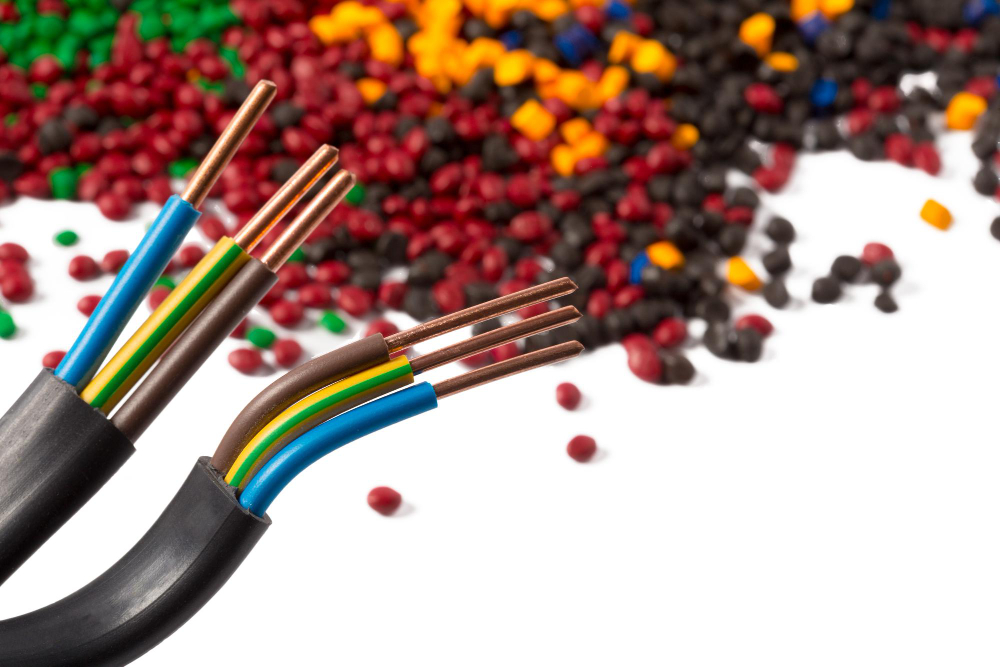
A wire is typically a single electrical conductor, while a cable consists of multiple insulated conductors bundled together. Both are designed to carry electric current, but they differ in construction and usage.
Common types include copper and aluminum conductors. Copper is widely preferred due to its high conductivity, flexibility, and durability. Aluminum is lighter and more cost-effective, often used in large-scale industrial installations.
The most important factor when selecting cables is the current carrying capacity, also known as ampacity. Choosing a cable with lower ampacity than required can cause overheating and potential fire risks.
Choosing Wires for Residential Use
Homes usually require cables for lighting, fans, appliances, and power outlets. For residential settings:
- Use insulated copper wires for better safety and conductivity.
- Select flame-retardant cables to reduce fire hazards.
- Ensure proper wire gauge based on load demand (for example, heavier appliances require thicker wires).
In most homes, low-voltage electrical wiring is sufficient, but air conditioners, water heaters, and ovens may need higher-capacity cables.
Selecting Cables for Commercial Buildings
Commercial spaces such as offices, malls, and schools demand more complex electrical systems. These setups involve lighting systems, elevators, HVAC units, and backup power systems.
For commercial applications:
- Choose cables with higher insulation grades.
- Consider fire-resistant and low-smoke cables for safety compliance.
- Ensure compliance with national electrical standards and building codes.
Because commercial buildings operate for longer hours, durability and heat resistance become critical factors.
Industrial Cable Requirements
Industrial environments often include heavy machinery, motors, and high-voltage systems. The cables used here must withstand mechanical stress, high temperatures, chemicals, and moisture.
Industrial cables should have:
- Strong outer sheathing for protection.
- High voltage rating.
- Resistance to oil, abrasion, and extreme conditions.
In manufacturing plants, even a minor cable failure can disrupt operations, making quality and specification matching extremely important.
Key Factors to Consider Before Buying
Before finalizing any power cables, always check:
- Voltage rating
- Current carrying capacity
- Environmental conditions
- Length and installation method
- Certification and safety standards
According to global fire safety data, faulty wiring contributes to a significant percentage of electrical fires. Proper cable selection and professional installation greatly reduce such risks.
Conclusion
Choosing the right wires and cables is a technical decision that should be based on load requirements, safety standards, and environmental conditions. Each setting—residential, commercial, or industrial—has unique demands that must be carefully evaluated.
For projects requiring informed electrical component selection and reliable supply, consulting experienced professionals like Standard Electric Co. ensures that the correct specifications are matched to application needs while maintaining safety and compliance.