
Electricity powers homes, offices, factories, and public infrastructure. But behind every safe and stable power supply lies a carefully designed system that controls and protects electrical flow. This is where switchgear and electrical protection systems play a critical role. Without them, even a small fault could lead to equipment damage, fire hazards, or power outages.
What is Switchgear?
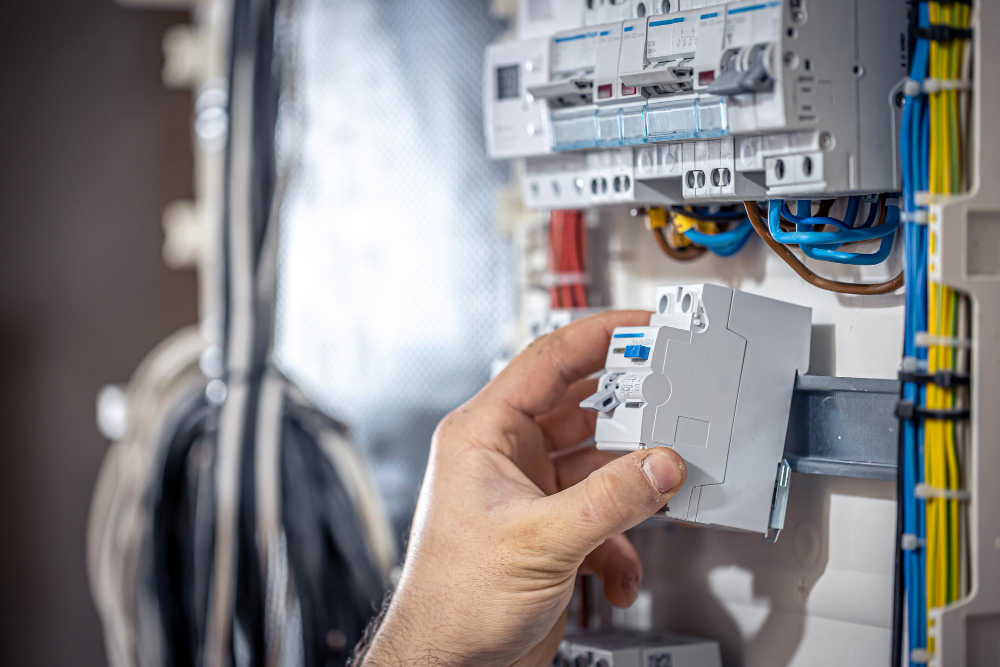
Switchgear refers to a combination of electrical disconnect switches, fuses, and circuit breakers used to control, protect, and isolate electrical equipment. It allows engineers to safely manage power flow in substations, industrial units, and commercial buildings.
In simple terms, switchgear acts as the control center of a power system. When everything is functioning normally, it allows electricity to flow smoothly. If a fault such as a short circuit or overload occurs, it immediately interrupts the current to prevent damage.
Switchgear systems are commonly classified into low voltage, medium voltage, and high voltage switchgear, depending on the application and operating range.
Why Electrical Protection Systems Matter
An electrical protection system is designed to detect abnormal conditions like overloads, short circuits, or earth faults. Once detected, the system triggers protective devices to isolate the affected section. This quick response minimizes risks and ensures the rest of the network continues operating safely.
According to global safety standards, most industrial electrical failures occur due to insulation breakdown, equipment aging, or improper maintenance. A reliable protection system reduces downtime, prevents costly repairs, and most importantly, protects human life.
Key Components of Switchgear
Understanding the main components helps in appreciating how power distribution remains safe:
- Circuit Breakers – Automatically interrupt current during faults.
- Protective Relays – Detect abnormal conditions and send signals to breakers.
- Isolators – Used to disconnect equipment for maintenance.
- Fuses – Provide basic protection against overcurrent.
Modern power systems increasingly use digital relays and smart monitoring tools, making switchgear more efficient and easier to maintain.
Role in Power Distribution
In a power distribution network, electricity moves from generation plants to substations and finally to end users. At every stage, switchgear ensures that the voltage is regulated and faults are contained within a limited area.
Without proper protection systems, a single failure could cascade through the network, leading to widespread outages. Effective switchgear design ensures stability, reliability, and compliance with safety standards.
Importance of Maintenance
Even the best-designed systems require regular inspection. Routine testing of circuit breakers, cleaning of panels, and relay calibration are essential steps. Preventive maintenance not only extends equipment life but also ensures consistent safety in high-demand environments.
Understanding how switchgear and electrical protection systems function is vital for safe power distribution. Organizations dealing with electrical components, such as Standard Electric Co., recognize the importance of reliable switchgear solutions and protection mechanisms in maintaining secure and efficient electrical networks.